01 / Disconnected sources
Data without a shared language.
Test equipment, device logs and business systems often describe the same operation in different formats.
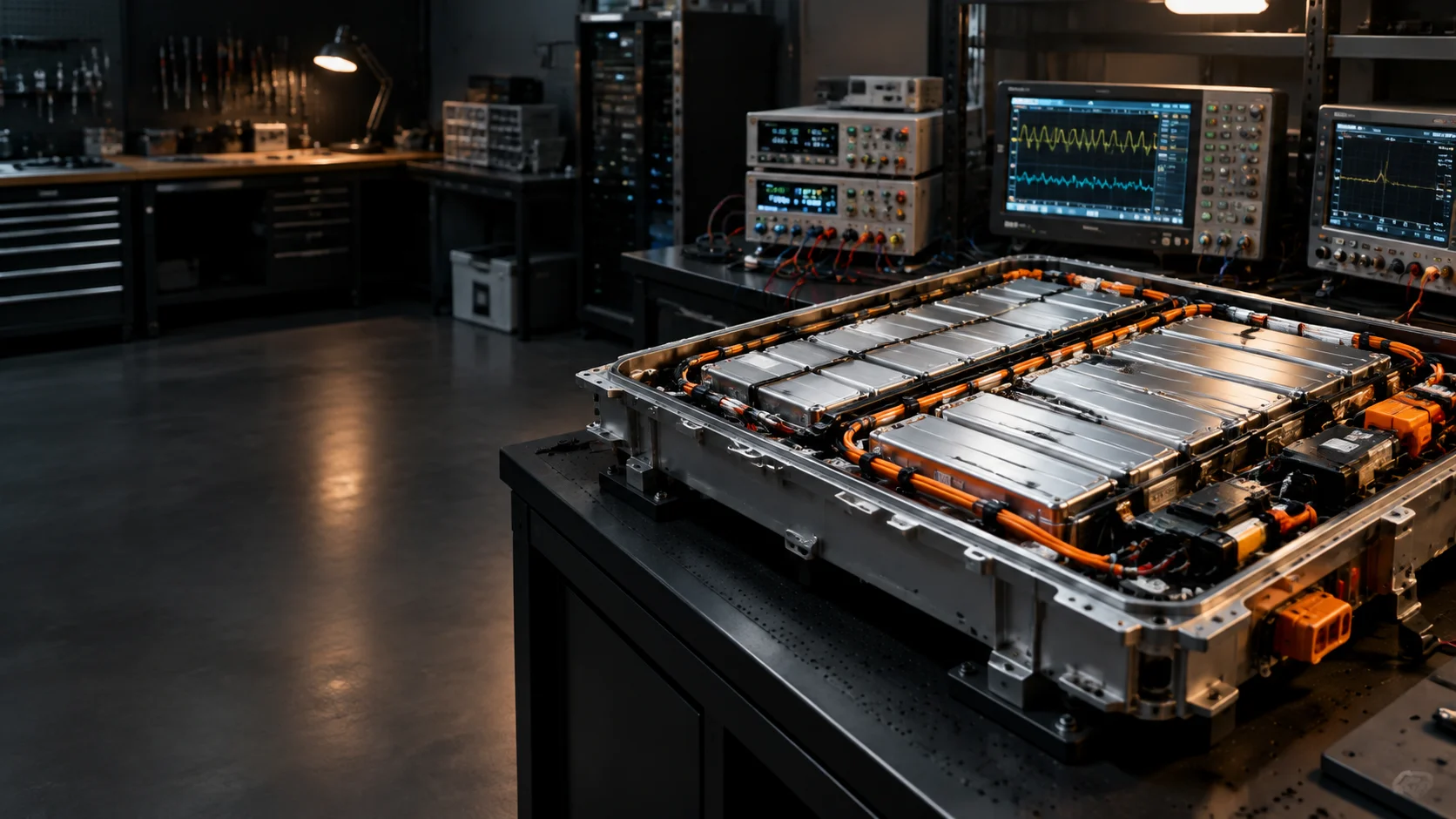
From complex battery data
to clear operational decisions.
Battery operations generate rich data. Making it useful means connecting the measurements, the systems and the context behind them.
Test equipment, device logs and business systems often describe the same operation in different formats.
A reading is only useful when its units, timestamp, device and test conditions remain connected.
Scattered exports make it difficult to compare runs, investigate exceptions and follow engineering decisions.
Aranea Battery Solutions GmbH is an IT company focused on the software and data systems that support battery engineering and operations.
Purpose-built applications for battery operations, from engineering workflows to the software that connects people, equipment and data.
Structured paths from device measurements to usable datasets, with context preserved across capture, processing and storage.
Connections between test equipment, existing applications and data platforms, with explicit interfaces and consistent identifiers.
Focused views of test activity, measurement trends and data exceptions that help teams understand operational context.
Repeatable reporting workflows that bring measurements, test context and engineering observations into a coherent record.
A telemetry workflow connects raw measurements to a structured operational record. The important part is not simply collecting more data — it is preserving what that data means.
Illustrative workflow / Capture to visibility
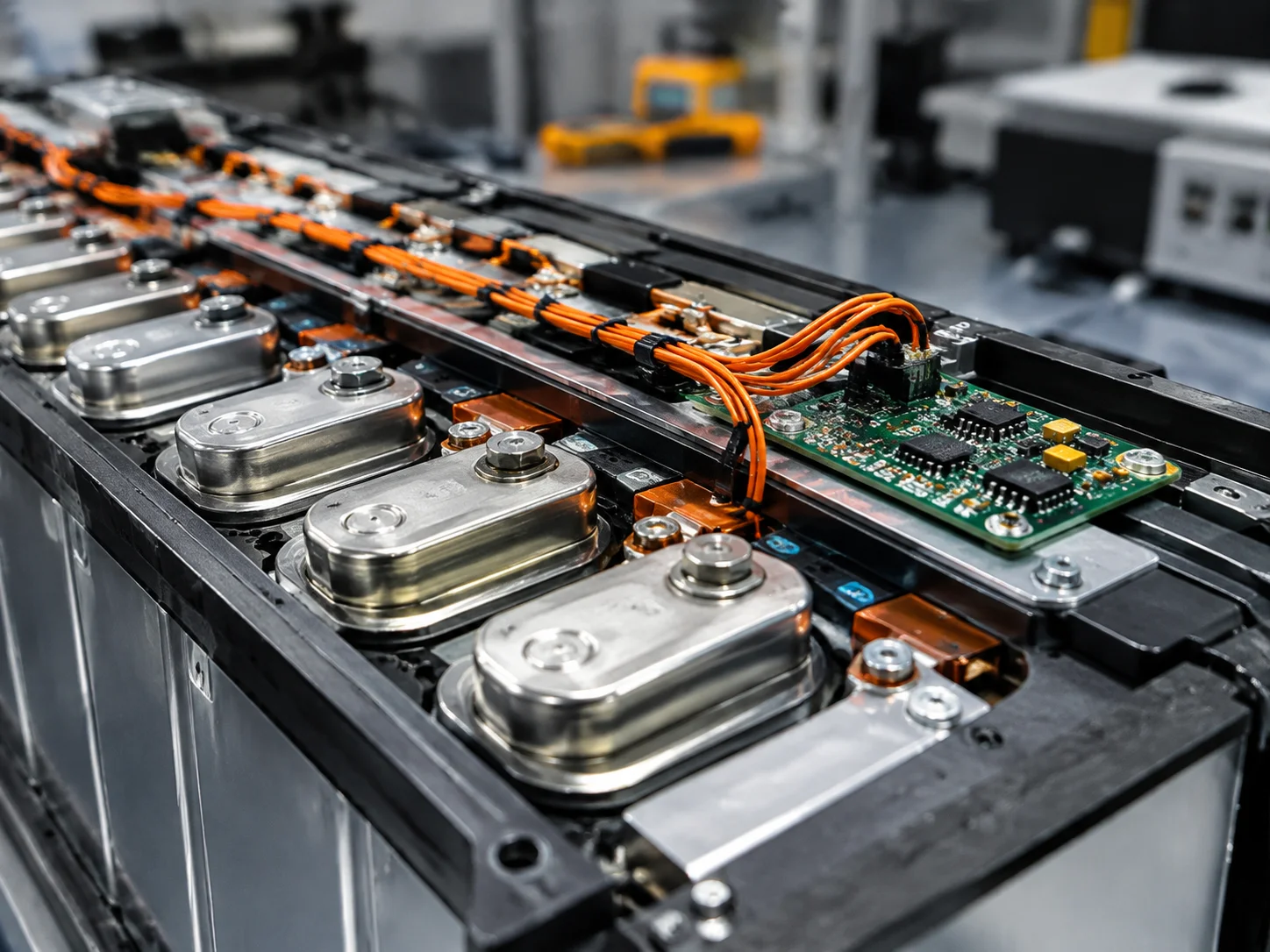
Collect voltage, current and temperature measurements alongside device and test identifiers.
Align timestamps, units and metadata so each reading retains its engineering meaning.
Identify missing values, duplicates and unexpected ranges before downstream use.
Present structured data through operational views and repeatable reports.
Useful integration goes beyond moving records from one place to another. It makes identifiers, units, timestamps and responsibilities explicit across the interfaces between equipment and software.
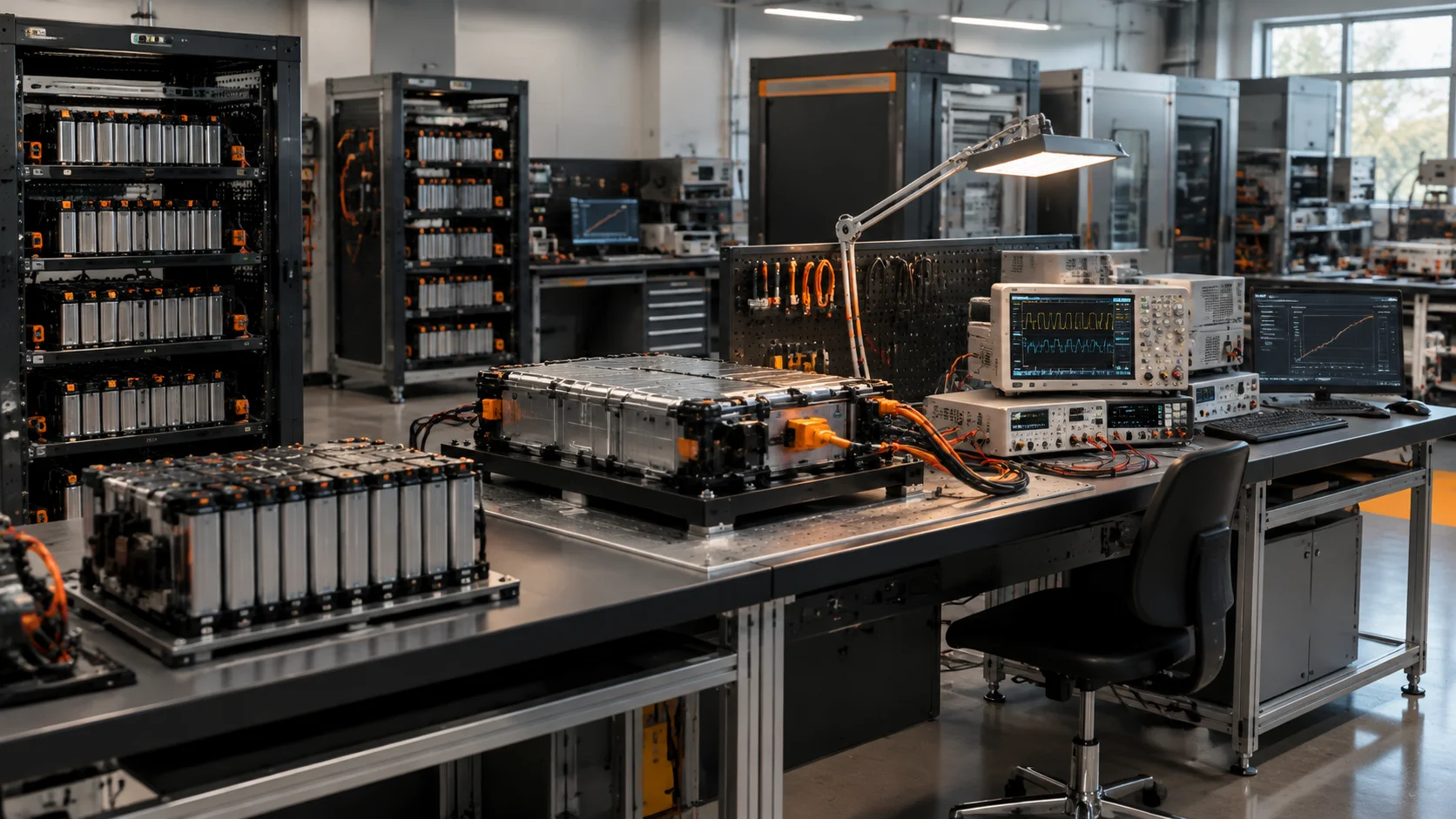
Operational views can bring test activity, signal trends and data exceptions into the same frame. Reporting turns those views into repeatable records for engineering review.
Views should answer a specific operational question — with enough context to understand the answer, not just another collection of charts.
Reliable interpretation depends on the path a measurement takes. Source context and processing decisions should remain understandable from capture to report.
Check structure, units, missing values and expected ranges when data enters the system.
Retain source identifiers, processing versions and transformations alongside the resulting dataset.
Separate known limitations from valid measurements so reviewers can assess the evidence.
A battery engineering team needs to review temperature and voltage measurements across repeated test runs. Equipment exports arrive separately, with different column names and time references.
An example software workflow maps the exports into a shared schema, associates each reading with a test identifier and highlights incomplete records. A review view compares trends while preserving the source files and transformation history.
The result is a coherent record for investigation — not an automated claim about battery safety or performance.
A software engagement can progress through these stages. Its scope, outputs and delivery expectations are established for the specific project.
Understand users, equipment, data sources and the questions the software must answer.
Agree data models, interfaces, requirements and acceptance criteria.
Develop focused increments and test them against representative workflows and data.
Prepare the agreed software, operating guidance and a clear record of limitations.
The company is positioned as an IT company focused on software and data systems for battery operations, rather than battery manufacturing.
An illustrative workflow may cover voltage, current and temperature measurements, together with device identifiers, test metadata and event records. Specific sources are assessed for each project.
Systems integration is a service area. The suitability of an existing interface depends on its access, documentation, data model and operational requirements.
No. The generated laboratory images and engineering workflows are illustrative depictions, not representations of company premises or customer engagements.
Send an inquiry to the plain-text email address below with the relevant workflow, data sources and intended outcomes.
For inquiries about battery telemetry, software development, systems integration and operational reporting.